Panacea Bio Chem — Evolutionary Genomics Review
Human genetic adaptation: your ancestry, written in your molecules
The deep harmony between a lineage and its ancestral climate and diet leaves a real, measurable molecular signature — a bio-ethnicity spelled out in allele frequencies. This is the wonder of human adaptive diversity, and it is strictly a story of physiology and biochemistry.
For tens of thousands of years, human populations lived inside particular environments — a mountain, a coastline, a dairying grassland, a malarial lowland — long enough for natural selection to tune their biochemistry to fit. The result is bio-ethnicity: not a ranking and not a boundary, but a set of physiological adaptations recorded in the genome as differences in allele frequency. This review walks through the best-documented signatures — milk digestion and starch-digesting amylase, high-altitude oxygen handling, warmth-making brown fat and the skin's surface, pigmentation, malaria- and pathogen-shaped immunity, dietary fatty-acid metabolism, alcohol biochemistry and body-heat balance — together with the archaic Neanderthal and Denisovan variants that handed our ancestors a ready-made adaptive toolkit, and the modern echo of all this in pharmacogenomics. It frames them as what they truly are: a portrait of human adaptive diversity.
- Ancestry is written in molecules. Where your lineage lived changed which gene variants became common — a measurable signature, not a metaphor.
- Same problem, different answers. Tibetan, Andean and Ethiopian highlanders each adapted to thin air by independent genetic routes — convergent evolution in real time.
- Climate and diet are the sculptors. UV latitude shaped pigment genes; dairying shaped lactase; starchy food shaped amylase; cold shaped brown fat; malaria and other pathogens shaped immunity; marine and farming diets shaped fat metabolism.
- Some genes were borrowed. Neanderthals and Denisovans handed our ancestors ready-tested variants — altitude, immunity, skin — an adaptive shortcut written into most genomes alive today.
- Physiology only. This is biochemistry and adaptation — never behaviour, intelligence, hierarchy or worth. Those claims are not science.
1. What "bio-ethnicity" means
Every human genome is more than 99.9% identical to every other. The differences that remain are tiny in proportion yet rich in story. A small fraction of them are adaptive: variants that spread because, in a particular place, they helped bodies work better — digest the local food, breathe the local air, survive the local parasites, balance heat and light. Over generations, natural selection nudged those variants to become common in one population and rare in another. That shift in allele frequency is the molecular fingerprint we are calling bio-ethnicity.
The key idea is harmony, not hierarchy. A high-altitude genome is exquisitely matched to thin air; a tropical-latitude genome is matched to intense sun; a dairying genome is matched to fresh milk. None is "better" — each is a beautiful fit between a lineage and the world it lived in. Read that way, human diversity stops being a category and becomes a gallery of elegant biological solutions.
Your ancestry is written in your molecules — shaped by the climate and diet your lineage adapted to.
2. Milk in adulthood — lactase persistence
All mammals drink milk as infants, making the enzyme lactase to digest its sugar, lactose. In most mammals — and most humans through history — the LCT gene switches lactase off after weaning. Yet in populations with a long history of keeping cattle, sheep and goats, a regulatory switch keeps the enzyme running for life: lactase persistence.1
The switch is not in LCT itself but in a neighbouring gene, MCM6, whose introns hold enhancer elements that keep LCT active. In Europe the responsible variant is famously known as −13910 T. What makes the story remarkable is that African and Middle Eastern dairying peoples evolved the same trait through different nearby variants (−14010 C, −13915 G and others) — independent solutions to one opportunity.1 Lactase persistence carries one of the strongest signatures of recent natural selection in the entire human genome, a molecular echo of the moment our ancestors domesticated the herd.
3. Starch on the plate — amylase, sugar enzymes and the “thrifty” debate
Long before farming, the human mouth already carried a clue to what a lineage ate. Saliva contains amylase, the enzyme that begins breaking starch into sugar, encoded by AMY1. Unusually, people carry different numbers of copies of this gene — and the count tracks ancestral diet. Populations with a long history of starch-rich food — farmers, and hunter-gatherers who dug starchy tubers — tend to carry more copies of AMY1 and make more salivary amylase, while populations whose traditional diet leaned on meat, fish or fat (rainforest foragers, Arctic and Siberian pastoralist-fishers) tend to carry fewer.9 It is one of the tidiest cases of a copy-number adaptation: the genome literally scaled a gene up or down to match how much starch the plate demanded.
The sugar enzymes tell the same story from the other side. A variant of sucrase-isomaltase (SI) that lowers the ability to digest table sugar and starch reaches notable frequency among Arctic peoples such as the Greenlandic Inuit, whose traditional marine diet held very little sucrose or starch — a setting where the enzyme was simply not much needed.10 Trehalase (TREH), which digests the sugar in mushrooms, varies in a similarly diet-shaped way across populations.
The “thrifty” idea — an open, benefit-first debate
A long-running hypothesis proposes that variants which store energy efficiently — a “thrifty genotype” (Neel, 1962) or a developmentally-set “thrifty phenotype” (Hales & Barker) — were favoured where food supply swung between feast and famine, because a body that banked calories well came through the lean season.10 The idea remains debated and is almost certainly only part of a larger picture, but read in its best light it names a genuine strength: metabolic efficiency, a lineage tuned to draw the most from an uncertain harvest. (Nothing here is medical advice.)
4. Thin air, three answers — high-altitude adaptation
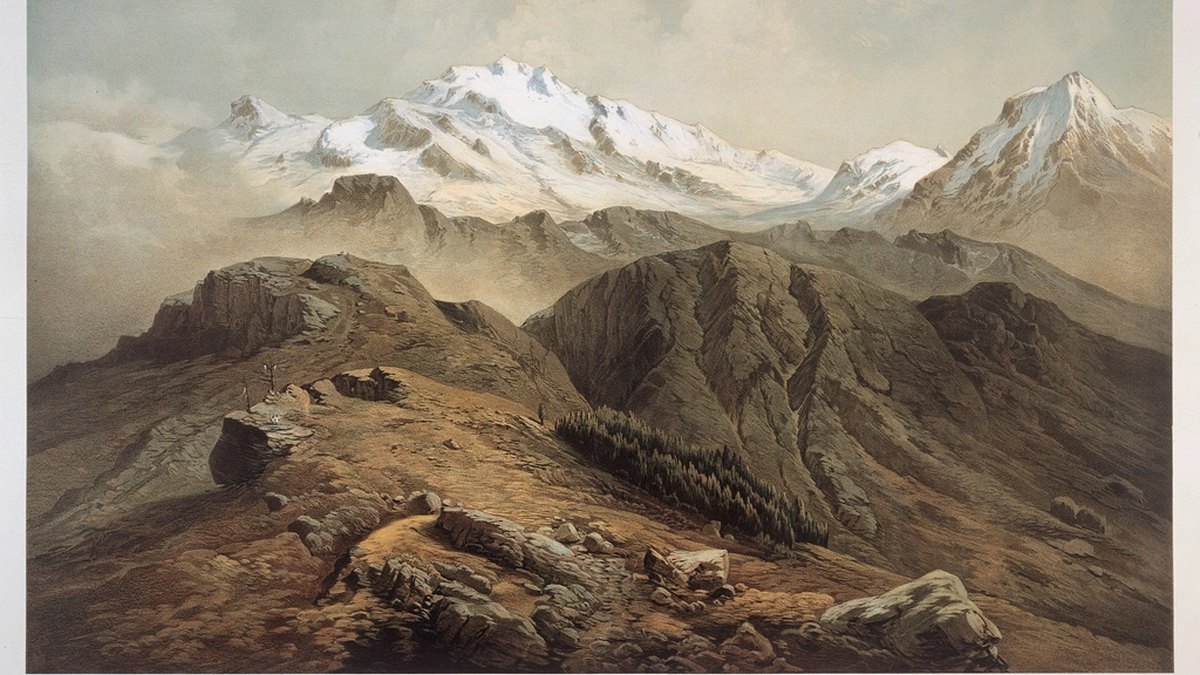
Live above ~2,500 metres and every breath holds less oxygen. Three highland peoples — on three continents, over thousands of years — met this challenge, and natural selection gave each a different molecular reply. This is one of the clearest living examples of convergent evolution.
Tibet — the Denisovan gift
Tibetans carry variants in EPAS1 (a master oxygen-sensing switch) and EGLN1 that keep haemoglobin unusually low for the altitude — dodging the thick, sluggish blood that plagues newcomers to the mountains. The twist: the beneficial EPAS1 haplotype was inherited from Denisovans, an archaic human lineage, and later swept through the Tibetan population by natural selection — a gene borrowed from a cousin species that turned out to be perfect for the roof of the world.2
The Andes — a different bargain
Andean highlanders reached a comparable outcome by a different route, tending toward a stronger red-cell and haemoglobin response, with selection signals in EGLN1 and other loci distinct from the Tibetan set.3
Ethiopia — the quiet solution
Ethiopian highlanders hold near-sea-level blood profiles and oxygen saturation with no elevated haemoglobin at all, implicating still other genes (such as BHLHE41). Three peoples, three molecular answers, one mountain problem.3
5. Warmth from within — cold, brown fat and the skin's surface
Cold is one of the oldest pressures a migrating species meets, and northern lineages carry its imprint in how they make and keep heat. A key player is brown adipose tissue — “brown fat” — which, through the protein UCP1, burns energy directly into warmth rather than storing it (non-shivering thermogenesis). Genome scans of indigenous Siberian populations find selection signals around UCP1 and related thermogenesis and fat-handling genes, consistent with lineages tuned to generate heat in an extreme-cold homeland.11
Diet and cold met in the same molecule elsewhere: an Arctic variant of CPT1A (P479L), reaching very high frequency in Inuit and some Siberian groups, reshapes fatty-acid burning to suit a traditional high-fat, marine, low-carbohydrate diet in a frigid environment — diet and climate adaptation folded into a single enzyme.11
EDAR370A — one switch, several surface traits
One of the most elegant single-variant stories sits in EDAR, the ectodysplasin receptor that shapes how skin structures form in the embryo. A variant called EDAR370A (rs3827760) rose to high frequency in East Asian and Native American populations and is rare elsewhere. In careful mouse models it produces a cluster of surface traits at once: thicker, straighter hair; more eccrine sweat glands; shovel-shaped incisor teeth; and altered mammary-gland branching.12 Whether it was favoured for sweat-gland cooling in a warm, humid environment, for another surface trait, or by sexual selection is still an open question — but it is a beautiful demonstration of how one ancient change can ripple across hair, teeth and skin at once. These are strictly physical structures; nothing here touches behaviour.
6. Sun and skin — pigmentation along the UV cline
Human skin colour tracks one of the tidiest gradients in biology: it grades from darker near the equator to lighter toward the poles, following the intensity of ultraviolet (UV) light.4 The physiology is a two-sided balance. Melanin shields the skin — and the folate in the blood beneath it — from UV damage, favouring darker skin where the sun is fierce. But skin also needs some UVB to make vitamin D; where sunlight is weak, at high latitude, lighter skin lets enough UVB through. Pigmentation is the truce between protecting folate and making vitamin D.
Several genes carry the signal. SLC24A5 (the celebrated Ala111Thr variant) and SLC45A2 are major contributors to lighter skin in western Eurasia; MC1R, the master pigment-type switch, is tightly conserved in high-UV regions yet highly variable where the sun is gentler. Pigmentation is polygenic and its full genetics — especially the deep diversity within Africa — is still being mapped, a reminder that these clines are elegant tendencies, not rigid rules.4
7. The parasite that shaped the blood — malaria and balancing selection
Few environments have marked the human genome as deeply as malaria. Because the parasite Plasmodium lives inside red blood cells, variants that make those cells a harder home have repeatedly spread in malarial regions — even when the same variant carries a cost. Biologists call this balancing selection: two opposing pressures holding a variant at a steady, intermediate frequency.5
| Adaptation | Gene | How it meets the environment |
|---|---|---|
| Sickle-cell trait | HBB | One copy of the HbS variant (carrier state) is associated with strong protection against severe P. falciparum malaria — the classic heterozygote advantage first described by Haldane and Allison. |
| G6PD variants | G6PD | Common X-linked variants of this red-cell enzyme are associated with reduced malaria severity; their geography closely tracks historical malaria. |
| Duffy-null | ACKR1 / DARC | A single promoter change removes the Duffy antigen from red cells, blocking entry of P. vivax; it is near-universal across much of sub-Saharan Africa. |
Each of these is a molecular memory of the same environmental foe, kept at a frequency set by the tug-of-war between the parasite and the variant's own costs — a vivid illustration of how an environment writes itself into a population's blood.
And malaria wrote more than three lines. The thalassaemias, haemoglobin C and E, and Southeast Asian ovalocytosis each arose independently to soften the parasite's grip, and each maps onto the historical range of the disease.5 Layer these maps over one another and the overlap with old malaria is unmistakable: one environment, written again and again by many different molecular hands — a testament to how inventively a population's biochemistry can answer a single, persistent challenge.
8. Beyond malaria — the immune genome and its many foes
Malaria is the most famous parasite to shape human blood, but it is far from the only environment that sculpted immunity. Wherever local pathogens pressed hard, the genes that recognise and resist them diversified — and the pattern of that diversity still traces the old map of disease. Here, human variety is quite literally a defence.
HLA — diversity as armour
The HLA genes of the immune system are the most variable in the entire human genome, and for a reason: the more versions of these molecules a population carries, the more invaders its members can recognise between them. Populations that historically faced a heavier, more varied pathogen load tend to carry greater HLA diversity — a clear signature of balancing selection driven by local disease.13 This same HLA diversity is what makes ancestrally broad donor pools so valuable for transplant and marrow matching today.
APOL1 — a shield against sleeping sickness
A striking case echoes the malaria bargain. Two variants of APOL1 (G1 and G2) arose in West Africa and spread because they let a blood protein kill Trypanosoma brucei, the parasite behind African sleeping sickness.14 The variants are a genuine molecular shield — and, like sickle-cell trait, they carry a trade-off: an increased risk of chronic kidney disease in people who inherit two copies. Same shape, different foe — a vivid reminder that adaptation is a negotiation, not a free gift. (Nothing here is medical advice.)
CCR5-Δ32 — a doorway closed
In Europe, roughly one person in ten carries CCR5-Δ32, a 32-base deletion that removes a doorway certain pathogens use to enter white blood cells. Its frequency is highest in northern Europe and fades toward the south and east, and it is scarce across most of Africa, East Asia and the Americas.15 It is best known today because people with two copies strongly resist infection by HIV-1 — though HIV is far too recent to have shaped its spread; an older epidemic is the likely sculptor, and which one remains a fascinating open question.
| Adaptation | Gene | Environmental foe & effect |
|---|---|---|
| Broad immune recognition | HLA / MHC | Pathogen-load-driven diversity: the most polymorphic region of the genome, richest where historical disease pressure was greatest, and the basis of tissue-matching for transplants. |
| Sleeping-sickness resistance | APOL1 (G1/G2) | A serum protein that lyses Trypanosoma brucei; common in West African ancestry. Trade-off: raised chronic-kidney-disease risk in two-copy carriers. |
| Cell-entry doorway closed | CCR5-Δ32 | Loss of a working CCR5 co-receptor; two copies strongly resist HIV-1. A northern-European frequency cline, likely shaped by an older epidemic. |
9. What the plate demanded — diet and fatty-acid metabolism
Diet is a climate of its own, and it too left fingerprints. The FADS1 and FADS2 genes build enzymes that convert dietary fats into the long-chain omega-3 and omega-6 fatty acids the brain and body need. Populations with very different food histories carry different FADS versions tuned to their menu. Greenlandic Inuit, on a diet extraordinarily rich in marine omega-3s, carry variants that reshape their fatty-acid processing;6 populations with long agricultural, plant-based diets tend toward a version that more efficiently makes long-chain fatty acids from plant precursors.6 The genome adjusted the chemistry to fit the cuisine.
The Greenlandic story is especially sharp. In the Inuit, variants across the FADS cluster sit at very high frequency and do more than fine-tune fatty-acid chemistry — they also nudge height and weight, a whole-body signature of many generations on a marine, omega-3-rich diet.6 Farming lineages carry something close to the mirror image: versions that more readily build the long-chain fatty acids the body needs from the plant oils of a grain-and-vegetable diet — an adaptation that appears to have followed agriculture across the world.6
Alcohol biochemistry — the ALDH2 signature
A striking metabolic marker centres on East Asia: a variant of ALDH2 (rs671), the enzyme that clears acetaldehyde as the body processes alcohol. The variant slows that step, producing the characteristic facial flushing, and it reaches high frequency across East Asian populations while remaining rare elsewhere — a clean, well-mapped example of a biochemical trait whose distribution follows ancestry.7 (Nothing here is medical advice.)
10. Borrowed genes — archaic introgression as an adaptive toolkit
When the ancestors of people outside Africa met Neanderthals and Denisovans — archaic human cousins already long settled across Eurasia — they interbred. Today most people of non-African ancestry carry roughly 1.5–2% Neanderthal DNA, and some Melanesian and Papuan populations carry several percent Denisovan DNA besides.16 Much of that inheritance is neutral, and some was mildly costly and faded over time — but a remarkable fraction turned out to be useful, handing modern humans a ready-made toolkit for their new environments.
The clearest gift is the Tibetan EPAS1 altitude haplotype met earlier — a Denisovan variant that let a whole population thrive on the roof of the world.2 But there are many more. Neanderthal versions of innate-immunity genes — the OAS1/2/3 antiviral cluster and the TLR6–TLR1–TLR10 receptor cluster — were retained because they sharpened early responses to local viruses and microbes.16 Neanderthal alleles at skin- and hair-related genes such as BNC2 and keratin loci helped tune pigmentation and the skin barrier to Eurasian light and climate. Read this way, archaic introgression was not a footnote but a shortcut: adaptation borrowed, ready-tested, from lineages that had already spent hundreds of thousands of years fitting these lands.
11. The modern echo — from ancestral alleles to today's medicines
These ancient shifts in allele frequency are not only history; they surface every day in how people handle medicines. The enzymes and transporters that process drugs are built by the same kind of genes that adaptation tuned, so a variant common in one ancestry and rare in another can change how a given molecule is activated or broken down. This is the field of pharmacogenomics, and some of its clearest markers are the very adaptations told above.
Two examples run straight from this page into the clinic. G6PD variants, kept common by malaria, also shape how a person responds to certain oxidative drugs — so a malaria-adaptive allele carries a direct pharmacogenomic footprint. And the East Asian ALDH2 flush variant, besides its role in alcohol metabolism, changes how the body activates a common heart medication.17 Other well-mapped markers — CYP2C19, CYP2D6, the VKORC1 / CYP2C9 warfarin pair and HLA-B*57:01 — occur at different frequencies across ancestries for reasons of history and drift.
The honest lesson holds throughout: these are frequencies, not fixed traits, and almost every variant appears in every population at some level. The responsible move is always to read the individual's genome, never a group label — a theme explored in depth in the companion review Human Genetic Variation & Pharmacogenomics →. (Nothing here is medical advice.)
12. Building for the climate — body plan and heat
Long before genomics, naturalists noticed that warm-blooded species tend to be bulkier in cold climates (Bergmann's rule) and to have shorter limbs and extremities there (Allen's rule), because a compact shape conserves heat while a lean, long-limbed one sheds it.8 Human populations follow these ecogeographic tendencies too — think of the compact build favoured in the far north versus the tall, linear physique common in hot, open lowlands. These are statistical patterns shaped by both genetics and lifelong development, not fixed types, but they show the same theme: the body, like the genome, is tuned to its thermal world.
13. Why it matters — the open frontier
Reading bio-ethnicity correctly reframes human diversity as a record of adaptive ingenuity. It also carries real scientific weight: the same allele that adapts a population to its environment can change how an individual handles a nutrient, a drug or a biologic. Understanding this variation — honestly and at the molecular level — is central to precision biochemistry, to nutrition science, and to designing molecules that work gracefully across the full breadth of human physiology. The frontier is to map these signatures ever more finely, and to let that map inform how the next generation of research-grade molecules is designed and delivered — without ever crossing into the discredited territory of ranking people. The biology simply does not go there.
14. Where Panacea Bio Chem works
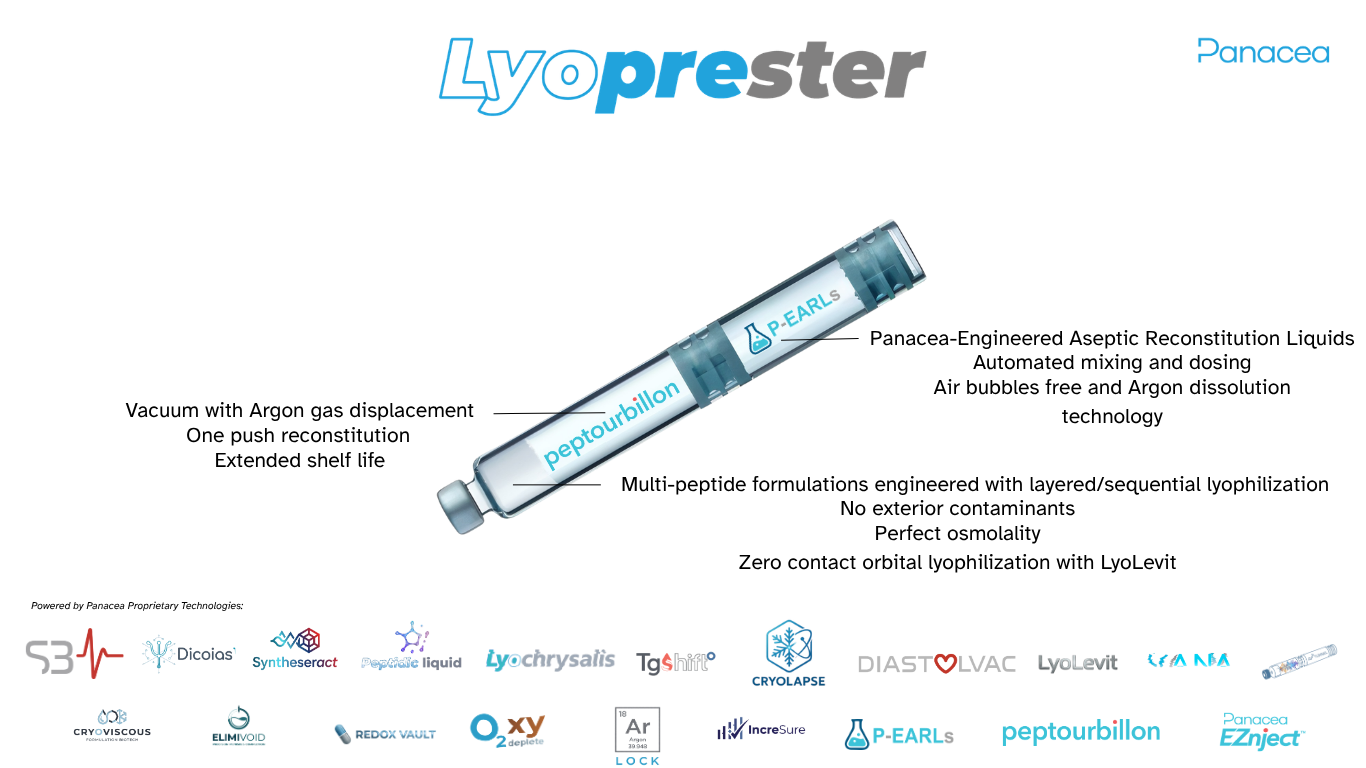
Panacea Bio Chem researches the molecular layer where this diversity lives: precision biochemistry and amino-acid-chain (AAC) design. The through-line from bio-ethnicity to Panacea's work is direct — human molecular variation is the real backdrop against which any peptide or biologic must perform, and the same care that reveals an adaptive variant informs how a research-grade molecule is built and kept intact. Panacea's ongoing work treats human physiological diversity as context for designing peptides and for the gentle preservation that carries a fragile molecule from synthesiser to patient with its structure whole: methods such as Cryolapse™ — gentle freeze-drying →, TgShift™ — raising the stability ceiling →, RedoxVault™ and the self-reconstituting Lyoprester® cartridge →, all coordinated by the S3Pulse™ biointegrity algorithm →.
The specific proprietary methods, parameters and in-house research directions that Panacea Bio Chem brings to this sphere remain held by the company and its founder, Bogdan Dicoias — the outline is public; the working detail stays in-house.
15. Potential directions
- Population-aware molecule design — accounting for common enzyme and receptor variants (of the ALDH2 or G6PD kind) when designing research-grade peptides and their formulations.
- Nutritional biochemistry — reading FADS-type dietary-adaptation signatures to understand fatty-acid needs across ancestries.
- Hypoxia and oxygen biology — the EPAS1 / EGLN1 pathway as a window into how tissues sense and manage low oxygen.
- Pharmacogenomic-aware formulation — reading how ancestral G6PD, ALDH2 or CYP allele frequencies might shape how a molecule is handled, so a research-grade design behaves gracefully across diverse physiology.
- Archaic-variant biology — the Neanderthal / Denisovan immune and hypoxia loci as an inspiration for how ready-tested molecular solutions arise and spread.
- Preservation across diversity — ensuring a fragile biologic keeps its structure and top binding affinity for every recipient, whatever their molecular background.
These are open research directions offered as inspiration, not results or health claims.
Frequently asked
What is bio-ethnicity?
The real, measurable molecular signature a lineage
carries because its ancestors adapted to a particular climate and diet — written as
differences in allele frequency for traits like milk digestion, altitude oxygen handling,
pigmentation and blood biochemistry. It concerns physiology only.
Is high-altitude adaptation the same everywhere?
No. Tibetan, Andean and
Ethiopian highlanders each adapted to thin air by independent genetic routes —
a textbook case of convergent evolution.
Did humans borrow useful genes from Neanderthals and Denisovans?
Yes. Most
people of non-African ancestry carry roughly 1.5–2% Neanderthal DNA (and some Melanesian and
Papuan populations several percent Denisovan). A fraction was adaptive: the Tibetan
EPAS1 altitude haplotype came from Denisovans, and Neanderthal innate-immunity clusters
(OAS, TLR) and some skin and hair variants were kept because they suited Eurasian
life — a ready-made adaptive toolkit.
Does bio-ethnicity say anything about behaviour or ability?
No. The documented
science covers molecular and physiological adaptation only. Claims tying ancestry to
behaviour, intelligence, hierarchy or worth are not supported by this biology and are
outside this review.
Trending in the field
Recent developments in the field — refreshed 2026-07-21 by Panacea Bio Chem.
- Early human migration determines the risk of being attacked by wolves: ethnic gene diversity on the development of systemic lupus erythematosus — PubMed, 2024 Oct 1
- Human genetic adaptation related to cellular zinc homeostasis — PubMed, 2023 Sep
- Genetic adaptation to pathogens and increased risk of inflammatory disorders in post-Neolithic Europe — PubMed, 2023 Feb 8
- Ancestral reconstruction and correlation of the frequencies of the hemoglobin S allele and the Duffy blood group alleles in human populations — PubMed, 2023 Mar
References & further reading
- Lactase persistence (LCT/MCM6) and convergent dairying adaptation. Wikipedia · Tishkoff et al., "Convergent adaptation of human lactase persistence in Africa and Europe," Nature Genetics (2007), PubMed.
- Huerta-Sánchez et al., "Altitude adaptation in Tibetans caused by introgression of Denisovan-like DNA," Nature 512, 194–197 (2014) · EPAS1 — Wikipedia.
- High-altitude adaptation in humans — Tibetan, Andean and Ethiopian comparisons. Wikipedia · EGLN1 — Wikipedia.
- Human skin colour, UV and the vitamin D / folate balance (Jablonski & Chaplin). Wikipedia · SLC24A5 — Wikipedia.
- Malaria and balancing selection — sickle-cell trait, G6PD, Duffy-null. Sickle cell trait · G6PD deficiency · Duffy antigen system (Wikipedia).
- FADS1/FADS2 fatty-acid metabolism and diet. FADS1 — Wikipedia · Fumagalli et al., "Greenlandic Inuit show genetic signatures of diet and climate adaptation," Science (2015), PubMed.
- ALDH2 and the alcohol-flush variant (rs671). Wikipedia.
- Ecogeographic body-plan patterns. Bergmann's rule · Allen's rule (Wikipedia) · Denisovan — Wikipedia.
- Perry, G.H. et al., "Diet and the evolution of human amylase gene copy number variation," Nature Genetics 39, 1256–1260 (2007) · PubMed · AMY1 — Wikipedia.
- Sugar-digesting enzymes and the "thrifty" hypotheses. Sucrase-isomaltase · Trehalase · Thrifty gene hypothesis (Neel 1962; Hales & Barker thrifty phenotype) — Wikipedia.
- Cold adaptation — brown fat/UCP1 and Arctic CPT1A. Cardona, A. et al., "Genome-wide analysis of cold adaptation in indigenous Siberian populations," PLOS ONE (2014), PubMed · Clemente, F.J. et al. on the Arctic CPT1A variant, Am. J. Hum. Genet. (2014), PubMed · UCP1 — Wikipedia.
- Kamberov, Y.G. et al., "Modeling recent human evolution in mice reveals role of the selected EDAR variant," Cell 152, 691–702 (2013), PubMed · EDAR — Wikipedia.
- Pathogen-driven balancing selection on HLA/MHC diversity. Prugnolle, F. et al., "Pathogen-driven selection and worldwide HLA class I diversity," Current Biology (2005), PubMed · HLA — Wikipedia.
- Genovese, G. et al., "Association of trypanolytic ApoL1 variants with kidney disease in African Americans," Science 329, 841–845 (2010), PubMed · APOL1 — Wikipedia.
- CCR5-Δ32 geography and HIV-1 resistance. CCR5-Δ32 — Wikipedia.
- Archaic adaptive introgression. Racimo, F. et al., "Evidence for archaic adaptive introgression in humans," Nature Reviews Genetics 16, 359–371 (2015) · Dannemann, M. et al. on Neanderthal innate-immunity (TLR/OAS) variants, AJHG (2016), PubMed · Neanderthal genetics — Wikipedia.
- Pharmacogenomics across ancestries — G6PD, ALDH2, CYP2C19/CYP2D6, VKORC1/CYP2C9, HLA-B*57:01. Wikipedia · companion review: Human genetic variation & pharmacogenomics (bioracism.com).